
Loading
Smart Home — Domestic Amplifiers
UGX 2,500,000
Standard
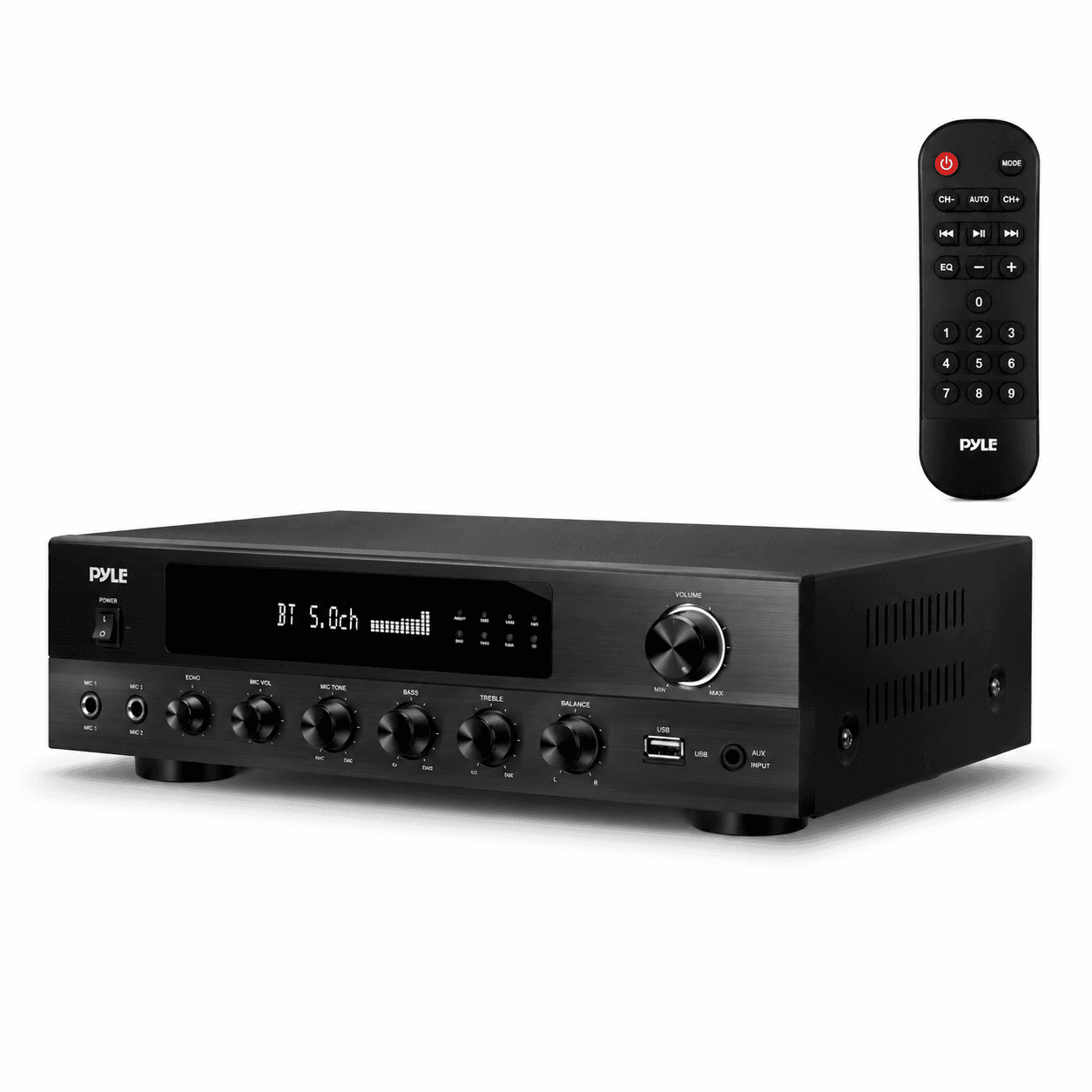
Domestic Amplifiers
Smart Home — Domestic Amplifiers are the part of the system that actually powers passive ceiling speakers, wall speakers, patio speakers, or room speakers. They are not speakers by themselves. In a clean smart-home setup, the amplifier usually stays hidden in a cabinet, AV rack, ceiling access area, or equipment room while the speakers remain visible or flush-mounted in the rooms.
Price
USh 2,500,000
Select option
Delivery in Kampala usually takes 2 to 4 days.
Pay by MTN MoMo, Airtel Money, or cash on delivery.
What this product does well and why it fits the setup.
Smart Home — Domestic Amplifiers are the part of the system that actually powers passive ceiling speakers, wall speakers, patio speakers, or room speakers. They are not speakers by themselves. In a clean smart-home setup, the amplifier usually stays hidden in a cabinet, AV rack, ceiling access area, or equipment room while the speakers remain visible or flush-mounted in the rooms.
Smart Home — Domestic Amplifiers are the part of the system that actually powers passive ceiling speakers, wall speakers, patio speakers, or room speakers. They are not speakers by themselves. In a clean smart-home setup, the amplifier usually stays hidden in a cabinet, AV rack, ceiling access area, or equipment room while the speakers remain visible or flush-mounted in the rooms.
The amplifier decides how many speakers can be powered, how loud the system can play cleanly, and whether different rooms can be controlled separately. A lounge, kitchen, bedroom, balcony, shop floor, and reception area may all need different volume levels or sources. That is why the amplifier should be chosen around zones, speaker count, impedance, wattage, and how the customer wants to control the system.
A domestic amplifier is different from buying one portable Bluetooth speaker. It is part of an installed audio system. It may support streaming, app control, TV input, line input, or multi-room features depending on the exact model, but those features must be confirmed physically. The main job remains the same: take audio from a source and drive passive speakers safely and cleanly.
Before connecting anything, the installer must confirm the speaker impedance, speaker wattage, cable runs, number of speakers per zone, and whether the system is low-impedance or 70V/100V distributed audio. Wrong matching can make the sound weak, overload the amplifier, or damage speakers. A good smart-home audio setup starts with speaker planning, not just buying an amplifier and connecting every cable to it.
Before this product is published publicly, confirm the exact amplifier brand and model. The content here is category-based because this is a broad smart-home amplifier product. If the stock item is a Sonos Amp-style streaming amplifier, a Bose-style zone amplifier, a wall amplifier, a multi-zone matrix amplifier, or a simple stereo amp, the specs and descriptions should be adjusted to match the exact unit before publishing.
Technical details at a glance.
Product Category
Domestic Amplifiers
Smart-home / domestic audio amplifier
Verification Status
Domestic Amplifiers
Category reference; exact model not confirmed
System Role
Domestic Amplifiers
Powers passive ceiling, wall, patio, or room speakers
Typical Installation
Domestic Amplifiers
AV cabinet, equipment rack, media console, utility room, or hidden smart-home audio location
Zone Support
Domestic Amplifiers
Unconfirmed — verify whether single-zone, stereo-zone, or multi-zone
Speaker Matching
Domestic Amplifiers
Confirm speaker impedance, wattage, cable runs, and number of speakers before connection
Low-Impedance Support
Domestic Amplifiers
Unconfirmed — verify exact amplifier rating such as 4Ω, 6Ω, or 8Ω
70V/100V Support
Domestic Amplifiers
Unconfirmed — verify if suitable for distributed commercial audio lines
Reference Example 1
Domestic Amplifiers
Sonos Amp: Class-D digital amplifier, 125W per channel into 8 ohms
Reference Example 2
Domestic Amplifiers
Bose FreeSpace IZA 190-HZ: Class-D zone amplifier, 90W at 70V/100V
Possible Inputs
Domestic Amplifiers
Unconfirmed — may include line-in, HDMI ARC, optical, Bluetooth, WiFi, or network streaming depending on model
Recommended Use
Domestic Amplifiers
Smart homes, apartments, lounges, kitchens, bedrooms, patios, shops, salons, restaurants, offices, and hospitality audio zones
Not Recommended For
Domestic Amplifiers
Driving unmatched speakers, large PA speakers, subwoofers, or event systems unless the exact amplifier supports it
Publishing Note
Domestic Amplifiers
Confirm exact brand, model, channels, power output, impedance, inputs, and zone features before public publishing
Final purchase guidance and support information.
Need help before checkout? Talk to the team on WhatsApp for purchase guidance and product confirmation.